Recovery Evidence Mounts, Distressed Sales Rate Hits Multi-Year Low

Minneapolis, Minnesota (July 12, 2012) – The empirical evidence of a market in recovery is beginning to accumulate. Sales counts and prices are up; inventory and months of supply are down. In June 2012, buyers signed 4,917 purchase agreements, 16.0 percent higher than June 2011.

Sellers introduced 6,359 properties to the market, 8.1 percent fewer than last June. The number of homes for sale has dropped for 17 consecutive months, down 31.2 percent from last year to 17,103 active listings – the lowest inventory reading for any month since January 2004. Months’ supply of inventory dropped 44.6 percent to 4.4 months – the lowest reading for any month since December 2005.

The median sales price rose 10.7 percent to $179,500. That’s the second-largest gain since January 2004 and the fourth consecutive month of year-over-year gains. Excluding only June 2010, home prices are at their highest level since October 2008.

Homes sold in 113 days, on average, down 22.0 percent from last year. Sellers received an average of 95.1 percent of their list price, up 4.0 percent from last year. Cash buyers made up 19.3 percent of all closed sales.

“It’s difficult to find a negative trend in the local housing market right now,” said Cari Linn, President of the Minneapolis Area Association of REALTORS® (MAAR). “After many years of decline, it’s a welcome change of pace.”

One catalyst enabling these trends is the declining role of lender-mediated market activity, also known as distressed sales (foreclosures and short sales)

Distressed sales accounted for 30.6 percent of all new listings and 34.6 percent of all closed sales, the lowest shares since June 2008 and August 2008, respectively.

Looking at price movement by market segment, traditional median home prices were up 3.4 percent to $215,000, foreclosure prices were up 10.5 percent to $124,700 and short sales were down 2.7 percent to $126,500. Traditional homes sold for nearly 75.0 percent more than foreclosures and accounted for 65.4 percent of sales volumes, highlighting the importance of market share relative to overall market median sales price.

“This is what we hoped to see with distressed sales,” said Andy Fazendin, MAAR President-Elect. “Now we just need to get traditional inventory in line with buyer demand. With rents on the rise and mortgage rates maintaining at historical lows, potential sellers should take note.”

All information is according to the Minneapolis Area Association of REALTORS® (MAAR) based on data from the Regional Multiple Listing Service of Minnesota, Inc. MAAR is the leading regional advocate and provider of information services and research on the real estate industry for brokers, real estate professionals and the public. MAAR serves the Twin Cities 13-county metro area and western Wisconsin.

Read it on The Skinny

Weekly Market Report

The last time you were at the doctor, your vital signs were checked – heart rate, pulse, temperature and blood pressure. Progress was documented and valuable insights were gained, whether it was a routine visit or one of many checks during an extended hospital stay. The housing market has been in and out of intensive care for the past several years. Monitoring vitals matters, and that’s what you’ll find on the following pages. The pulse of today’s market indicates that we may be getting ready to leave the ICU. So if you could just please pull up your sleeve, let’s check your blood pressure.

In the Twin Cities region, for the week ending March 24:

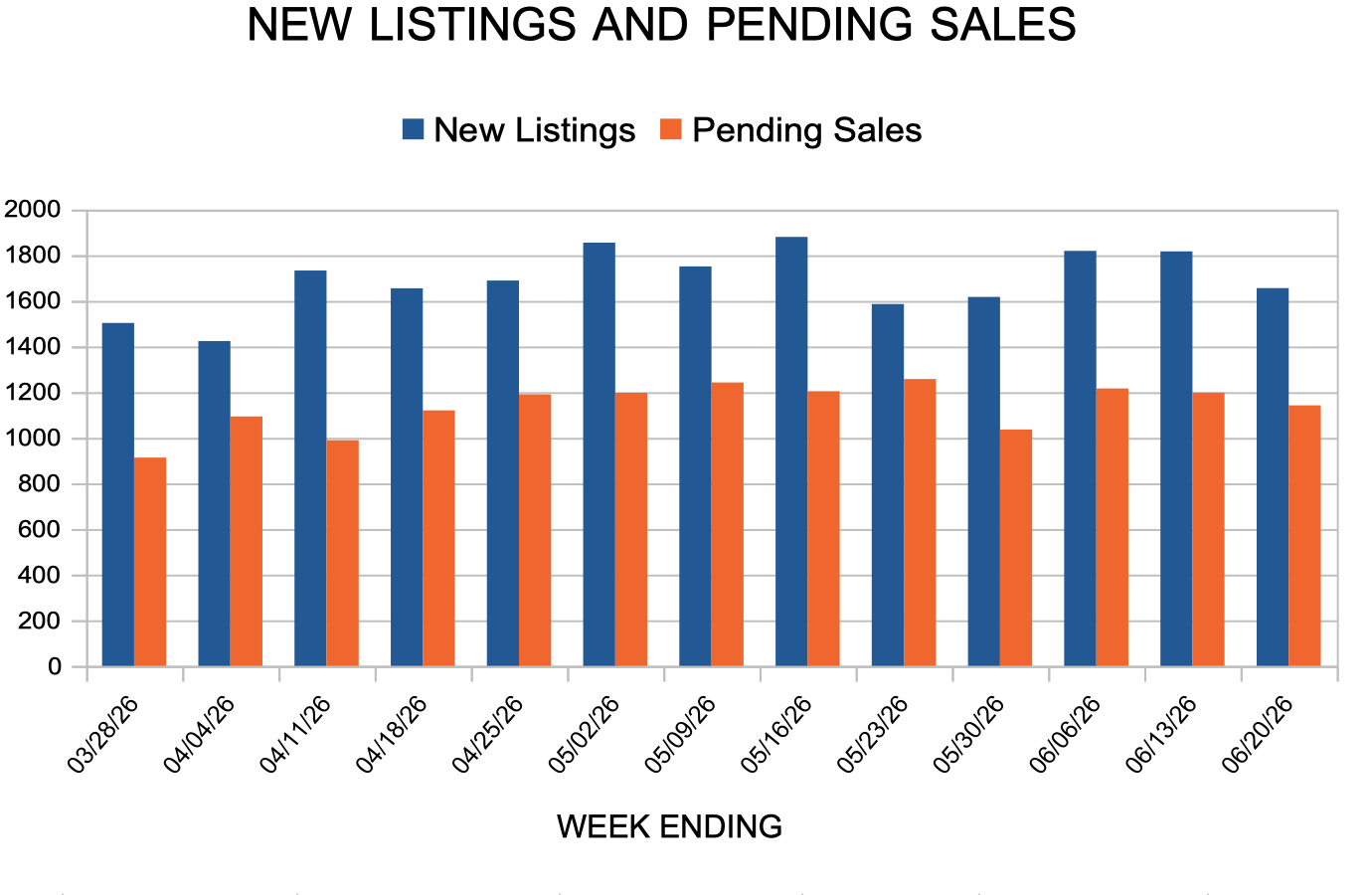
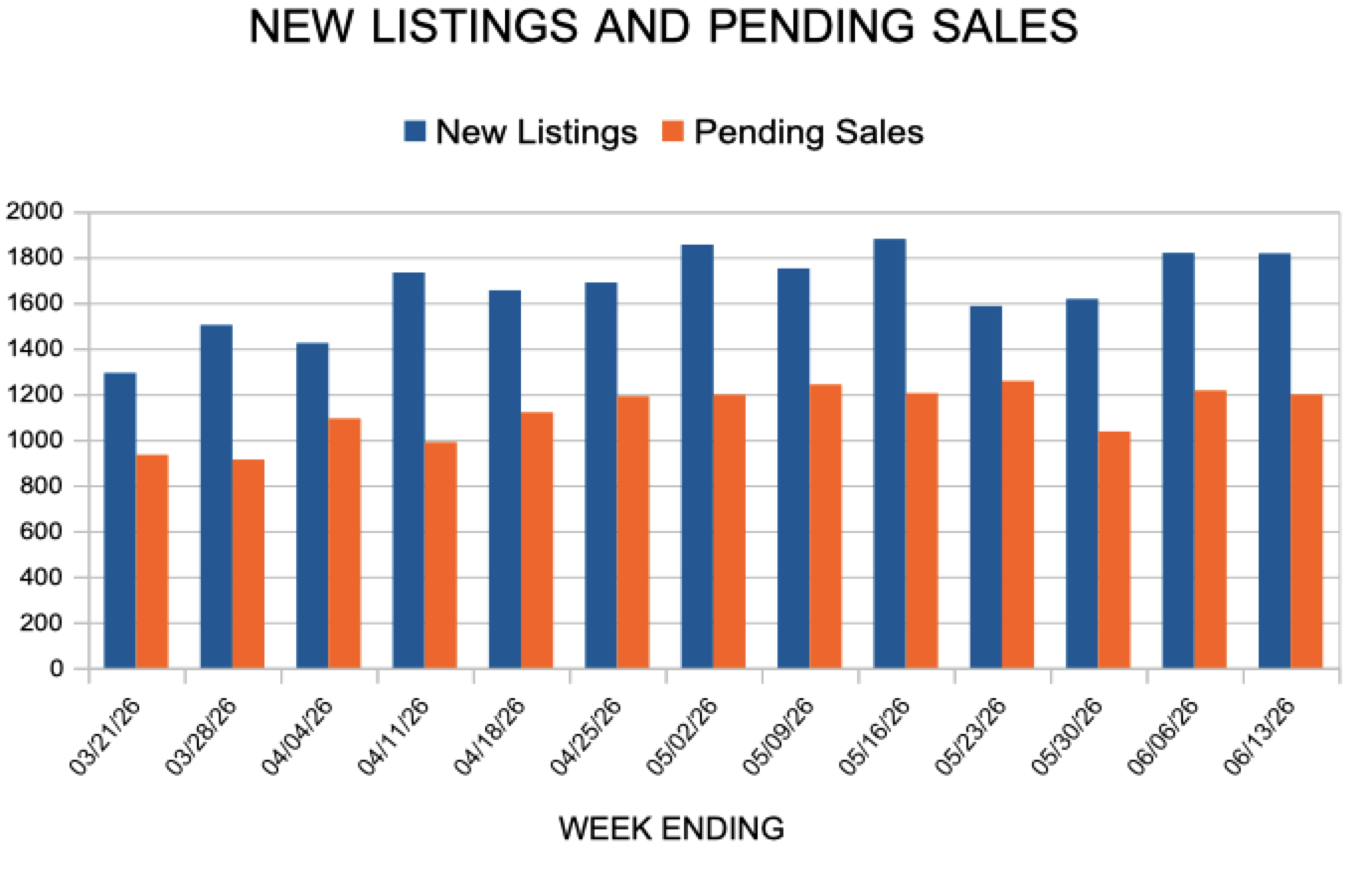
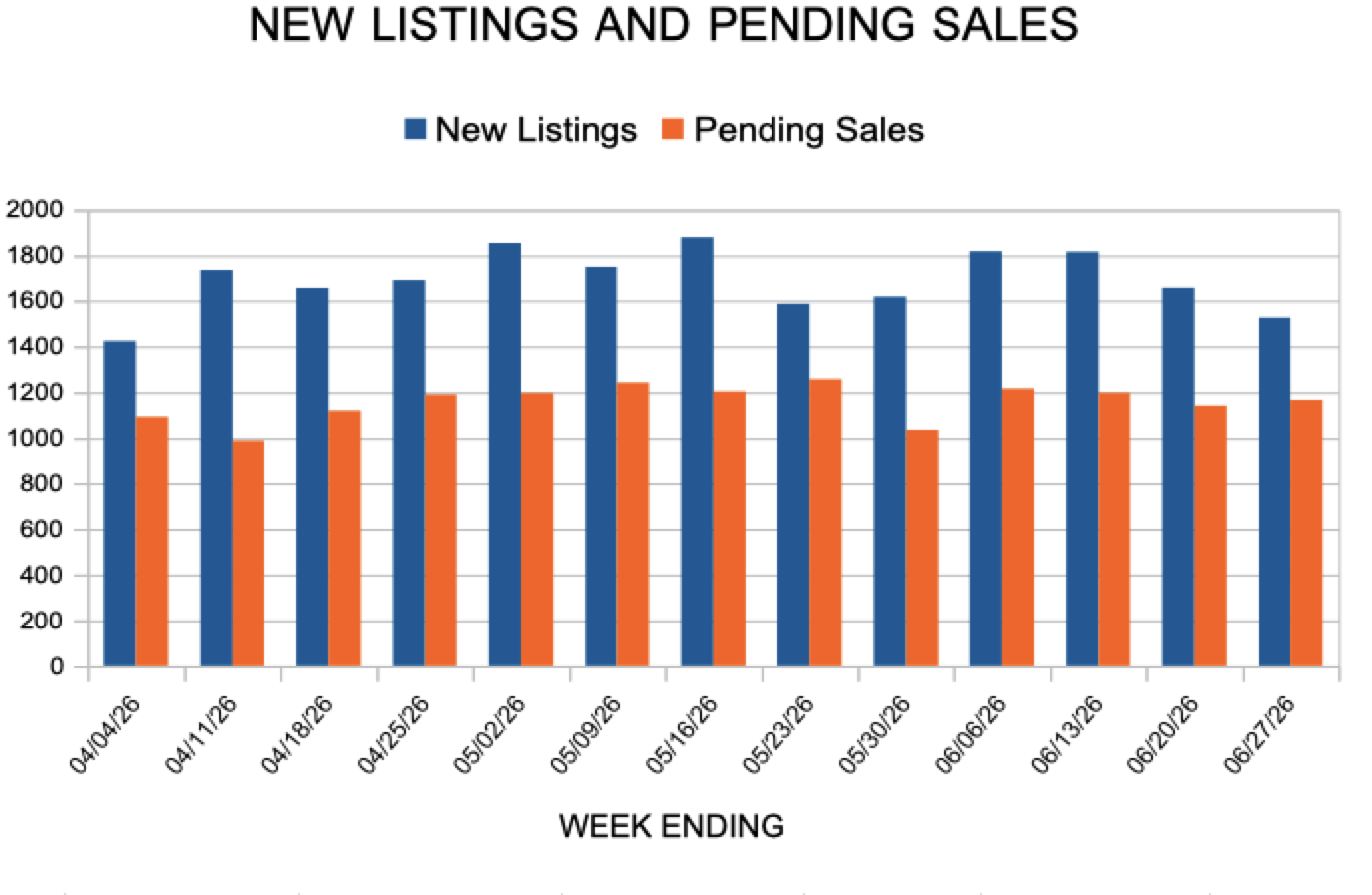
  • New Listings increased 2.2% to 1,414
  • Pending Sales increased 30.2% to 1,052
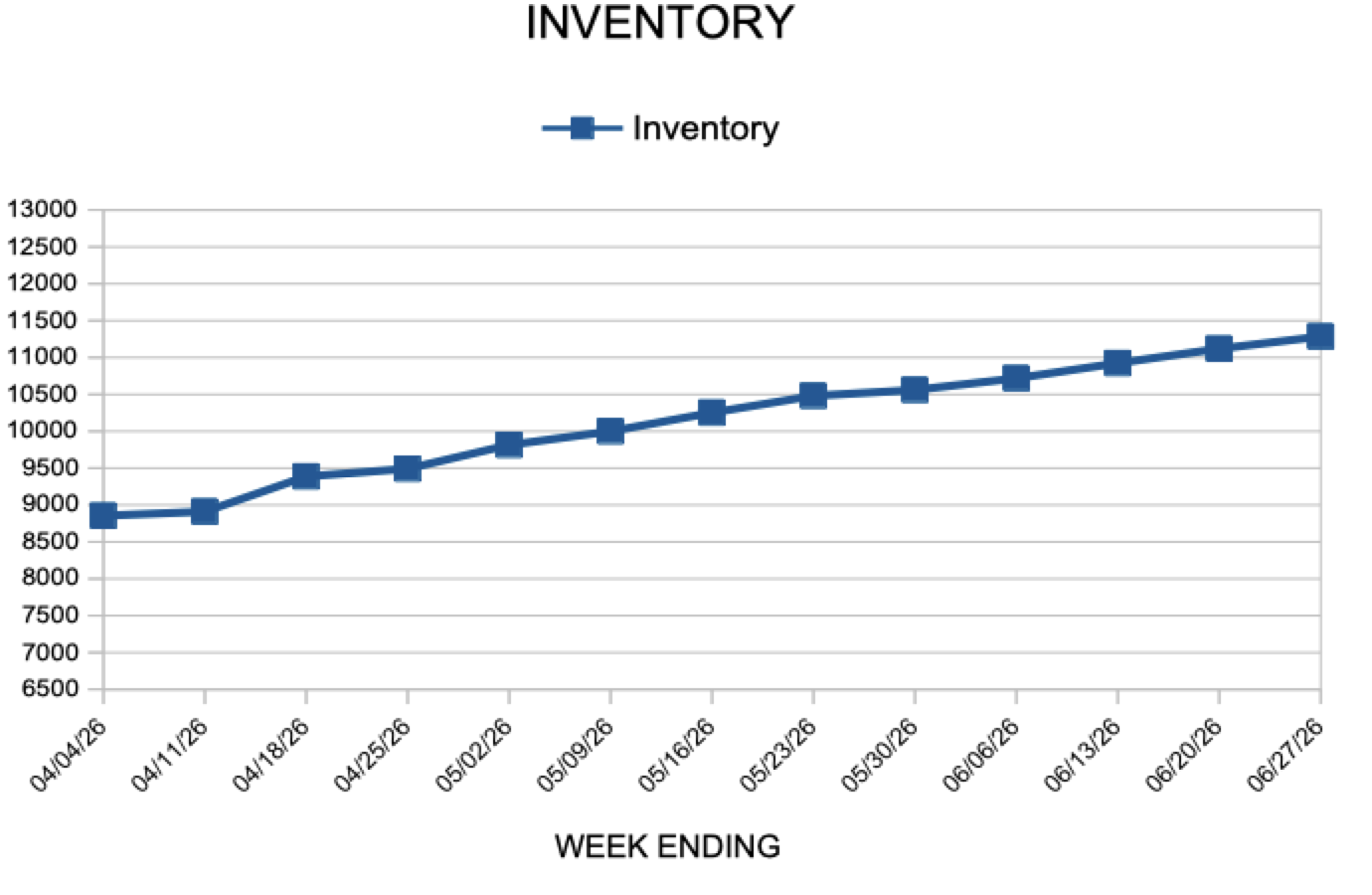
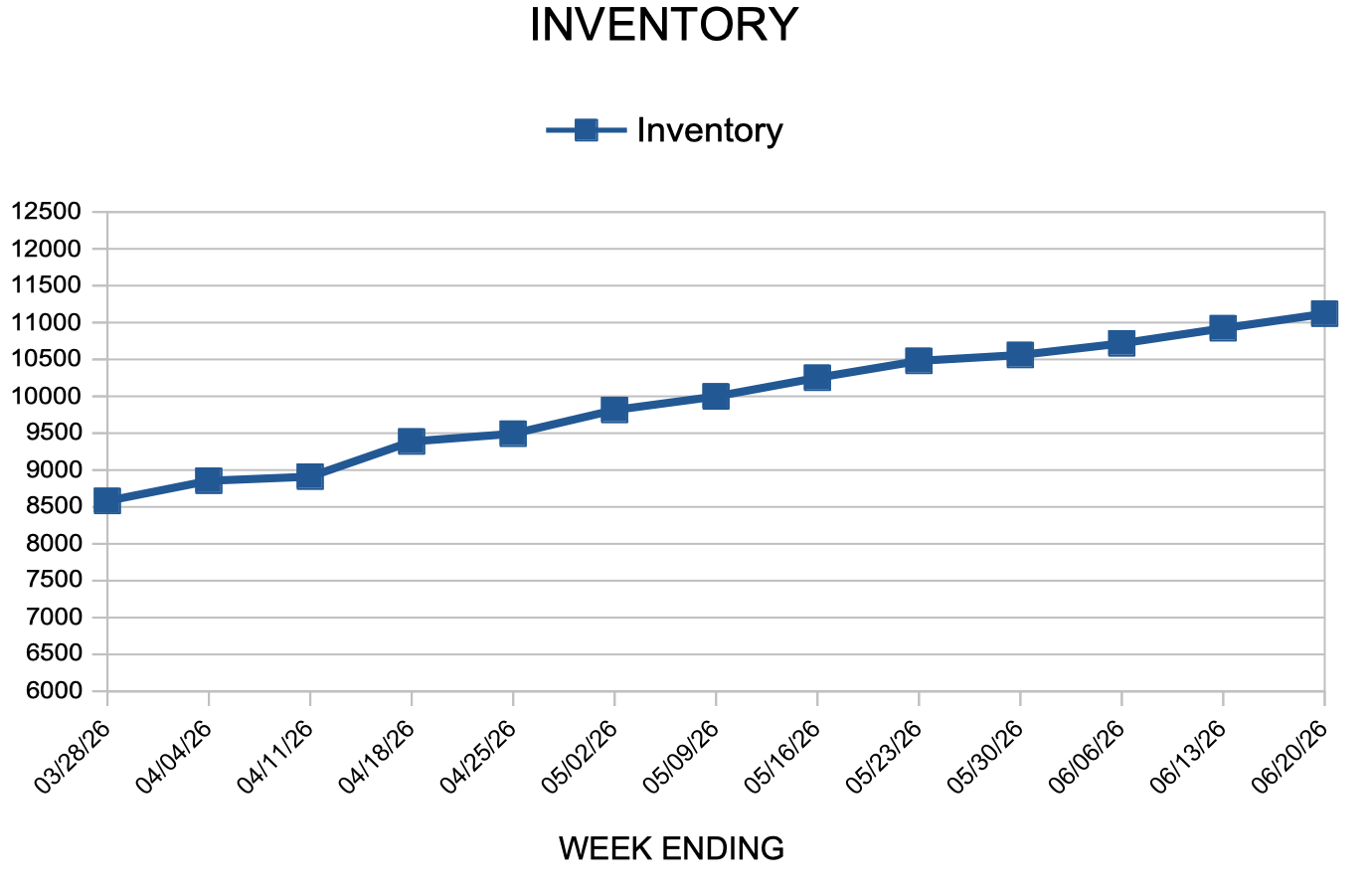
  • Inventory decreased 27.3% to 17,193

For the month of February:

  • Median Sales Price decreased 1.4% to $138,000
  • Days on Market decreased 9.0% to 145
  • Percent of Original List Price Received increased 2.5% to 90.6%
  • Months Supply of Inventory decreased 34.8% to 4.7

Click here for the full Weekly Market Activity Report.

From The Skinny.

Weekly Market Report

For Week Ending January 17, 2026

The average 30-year fixed mortgage rate fell to 6.06% the week ending January 15, 2026, the lowest level since September 2022, according to Freddie Mac. The Mortgage Bankers Association noted that lower rates have coincided with a rise in purchase and refinance applications, as borrowers respond to recent improvements in affordability.

IN THE TWIN CITIES REGION, FOR THE WEEK ENDING JANUARY 17:

  • New Listings decreased 3.6% to 914
  • Pending Sales decreased 15.1% to 512
  • Inventory decreased 1.3% to 7,441

FOR THE MONTH OF DECEMBER:

  • Median Sales Price increased 2.7% to $380,000
  • Days on Market increased 3.6% to 58
  • Percent of Original List Price Received decreased 0.2% to 96.8%
  • Months Supply of Homes For Sale decreased 5.0% to 1.9

All comparisons are to 2025

Click here for the full Weekly Market Activity Report. From MAAR Market Data News.

Mortgage Rates Remain the Lowest in Three Years

January 22, 2026
With the economy improving and the average 30-year fixed-rate mortgage nearly a percentage point lower than last year, more homebuyers are entering the market. Buyers always should shop around for the best rate, as multiple quotes can potentially save them thousands.

  • The 30-year fixed-rate mortgage averaged 6.09% as of January 22, 2026, up from last week when it averaged 6.06%. A year ago at this time, the 30-year FRM averaged 6.96%.
  • The 15-year fixed-rate mortgage averaged 5.44%, up from last week when it averaged 5.38%. A year ago at this time, the 15-year FRM averaged 6.16%.

Information provided by Freddie Mac.
The Average 30-Year Fixed-Rate Mortgage Hits Lowest Level in Over Three Years

January 15, 2026
Late last week, mortgage rates dropped, driving the weekly average down to its lowest level in more than three years. The impacts are noticeable, as weekly purchase applications and refinance activity have jumped, underscoring the benefits for both buyers and current owners. It appears that housing activity is improving and poised for a solid spring sales season.

  • The 30-year fixed-rate mortgage averaged 6.06% as of January 15, 2026, down from last week when it averaged 6.16%. A year ago at this time, the 30-year FRM averaged 7.04%.
  • The 15-year fixed-rate mortgage averaged 5.38%, down from last week when it averaged 5.46%. A year ago at this time, the 15-year FRM averaged 6.27%.

Information provided by Freddie Mac.